

Introduction
If you have read the books, know your patterns by name, can trace the shutdown all the way back to where it started, and you can explain it to a friend so clearly they nod along. And then your partner shuts a door a little too hard, and your whole chest goes tight before a single thought has time to form.
So you go looking again, and the internet has an answer ready. Rewire your brain. Build the habit. Change the thought, change the wiring. You try it, because it sounds right, and it does work on some things. Just not on this one. Not on the thing that grips before you can catch it.
Here is what I want you to know first. You are not failing at this. You have been handed a tool for one kind of problem and told to use it on a different kind.
The Part of You Doing the Affirmations is Not the Part That Is Stuck
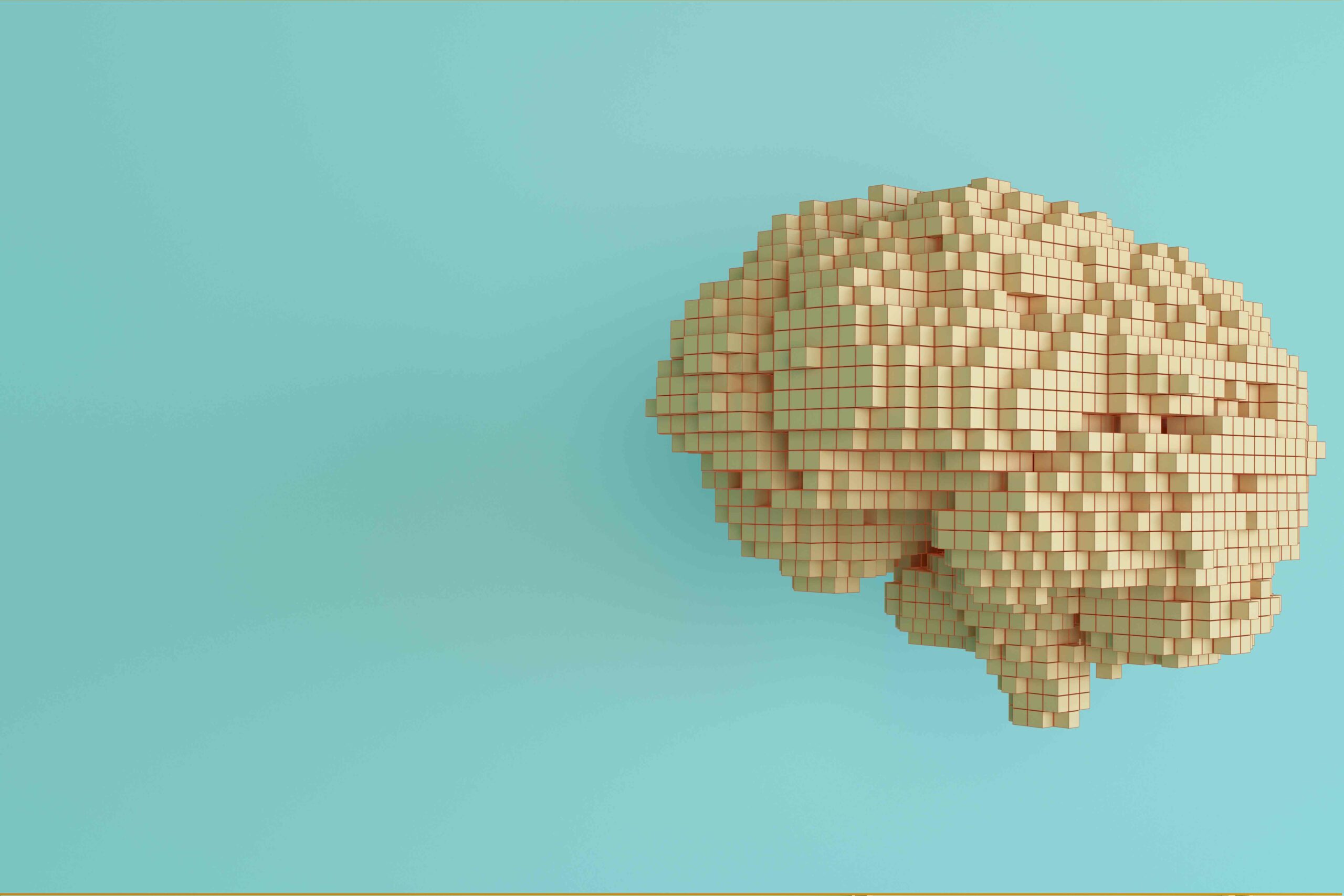
Your brain can change, that part of the trend is true. What the trend leaves out is that you have more than one memory system, and they do not update to your current context the same way.
One system is the one you think with. It knows what year it is, it knows the hard thing is over, it can be reasoned with. That is the part an affirmation talks to.
The other system is faster and older, and it does not think in language. It dictates the flinch, the freeze, the sudden urge to go quiet. When it fires, it does not feel like a memory. It feels like now. And it does not take instruction from the part of you writing “I am safe” on a sticky note, because it was never the part listening.
Your shoulders have been up near your ears since the year everything came apart, and no amount of understanding why has convinced them to come down. That is a wiring-lives-somewhere-else problem, not something that any amount of discipline can get you out of.
This is why the “rewire your brain” advice works so well for some things. Learning a language, building a morning habit, catching a distorted thought and replacing it with a more accurate one, these all respond beautifully to conscious repetition. They involve systems the thinking part of your brain can talk to directly. You decide, you practice, the connection strengthens. The mechanism the trend describes is how those changes happen.
The problem is that trauma is not one of those things, and the advice does not tell you that.
Why Understanding Is Not the Same as Change
This is the quiet heartbreak I see most often. Someone arrives who has done years of good work. They are insightful, they are not avoiding anything; and yet they are exhausted, because they did everything right and their body is still telling the same old story.
Insight and physiological change happen on different layers. You can have all the insight in the world and the pattern continues on schedule, because the pattern was laid down in a system that does not care what you now know. Knowing is not the input it responds to.
What it responds to is experience. Actual, felt, in-the-moment experience of being safe enough, delivered in doses small enough that your body can take them in rather than brace against them. That is the language the stuck part speaks.

What it Looks Like to Work at the Right Layer
Instead of trying to think your way down into your body, we start learning the language of your body and let the mind come along.
We work with the activation itself, a little at a time, so your physiology stays with you instead of flooding. You let a survival response that got interrupted back then finally finish the motion it never got to make. You give the older system real evidence, again and again, that this moment is not that moment.
Sometimes a different neuropathway feels like new sensation, or a shift you cannot quite name, or a flicker of an emotion that has not been present before. That is usually the sign that something in your system is moving and renegotiating, not staying locked. It means the layer that was stuck is finally getting an input it can use.
It is often slower than a 30-day challenge. It is also the version that reaches you and leads to sustainable changes that you do not have to continue chasing.
What Makes This Possible
When the change speaks to the right layer, it does not feel like a better thought. It feels like your body finding a different way without you telling it to. The door shuts too hard and you remain present. You notice the flinch did not come, or came smaller without effort. You stop having to manage yourself through every life event.
That is the thing the mindset work was promising and could not deliver.
When you are ready to work where your patterns are speaking, that is the work I do, online wherever you are or in person in Toronto and the GTA. If you want to talk it through first, you may book a free consultation, with no pressure to decide anything on the call.
Work With Me
I work with clients one-to-one in Toronto and internationally online. I offer intensives both in my space (you travelling to me), or your space (bringing me to you), for people who want more concentrated work over a shorter window. I am a Somatic Experiencing Practitioner (SEP) and Somatic Educator and Bodyworker with years of advanced complex and developmental trauma training, and I currently have space for new clients.
If you are curious whether this kind of work might be relevant to your situation, a free 15-minute consultation is the best place to start. We can look at what is going on for you and whether somatic touch work makes sense as part of your recovery and to support you in building a life worth living.